FOXG1 Genetics Explained
A simple guide to DNA, genes, proteins, and the genetic changes that cause FOXG1 Syndrome
Chromosomes and the FOXG1 Gene
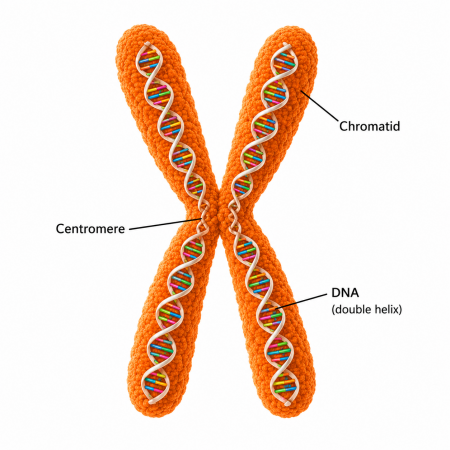
Chromosomes are structures inside our cells that organize and carry our DNA. If DNA is the body’s instruction manual, chromosomes are like the bookshelves that store and organize those instructions. Genes are found on chromosomes.
Most people have 46 chromosomes, arranged in 23 pairs. One chromosome in each pair comes from the mother and the other from the father. Chromosomes contain thousands of genes that provide instructions for how the body grows, develops, and functions.
FOXG1 stands for Forkhead Box G1. It belongs to a family of genes that make proteins which help control the activity of other genes. These proteins are called transcription factors
The FOXG1 gene is located on chromosome 14. Chromosomes are numbered to help scientists identify and locate them. Changes in the FOXG1 gene can affect brain development and cause FOXG1 Syndrome.
Think of it this way:
- DNA = the complete instruction manual
- Chromosomes = the bookshelves that organize the manuals
- Genes = individual instructions or recipes within the manuals
- FOXG1 = one specific gene that helps guide brain development
Understanding Genes and FOXG1
Our bodies are made up of trillions of cells. Inside almost every cell is a set of instructions that tells the body how to grow, develop, and function. These instructions are called genes.
Genes are made from Deoxyribonucleic Acid (DNA) and are passed down from our parents. Each gene has a specific role, such as helping the brain develop, controlling how cells communicate, or supporting other important functions throughout the body.
Where is DNA found?
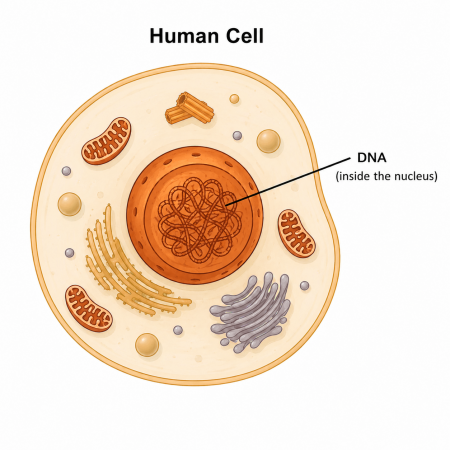
DNA is found inside almost every cell in the body. Most of it is stored in a part of the cell called the nucleus, which acts as the cell’s control centre.
You can think of a cell as a tiny room:
- The nucleus is the filing cabinet.
- The DNA is the collection of instruction books stored inside.
- The genes are the individual instructions within those books.
Because DNA is present in nearly all of our cells, the same genetic information is found throughout the body—from the brain and heart to the skin and muscles.
How does a Gene Work?
When a cell needs to use a gene, it follows these basic steps:
1. The Gene Is Read
The cell copies the gene’s DNA instructions into a temporary message called messenger RNA (mRNA). This process is called transcription.
2. A Protein Is Made
The cell reads the mRNA message and uses it to build a protein. This process is called translation.
3. The Protein Does Its Job
Once made, the protein carries out a specific function in the body. Proteins help cells communicate, support growth and development, and perform many of the body’s essential tasks.
What Happens in FOXG1 Syndrome?
The FOXG1 gene contains instructions for making the FOXG1 protein, which plays an important role in early brain development. In FOXG1 Syndrome, a genetic change in the FOXG1 gene affects these instructions. As a result, the FOXG1 protein may:
- Not be made at all
- Be shorter than normal
- Have an altered shape
- Not work as effectively as it should
Because the FOXG1 protein helps control the activity of many other genes during brain development, changes in this protein can affect how the brain grows and functions
Genetic Changes and Variations
Genetic changes occur when there is a difference in a person’s DNA. These changes can happen naturally as cells grow and divide.
Sometimes a genetic change is inherited from a parent. Other times, it occurs for the first time in a child during early development, before birth. This is called a de novo (“new”) genetic change.
In many people with FOXG1 Syndrome, the genetic change is de novo, meaning it was not inherited from either parent.
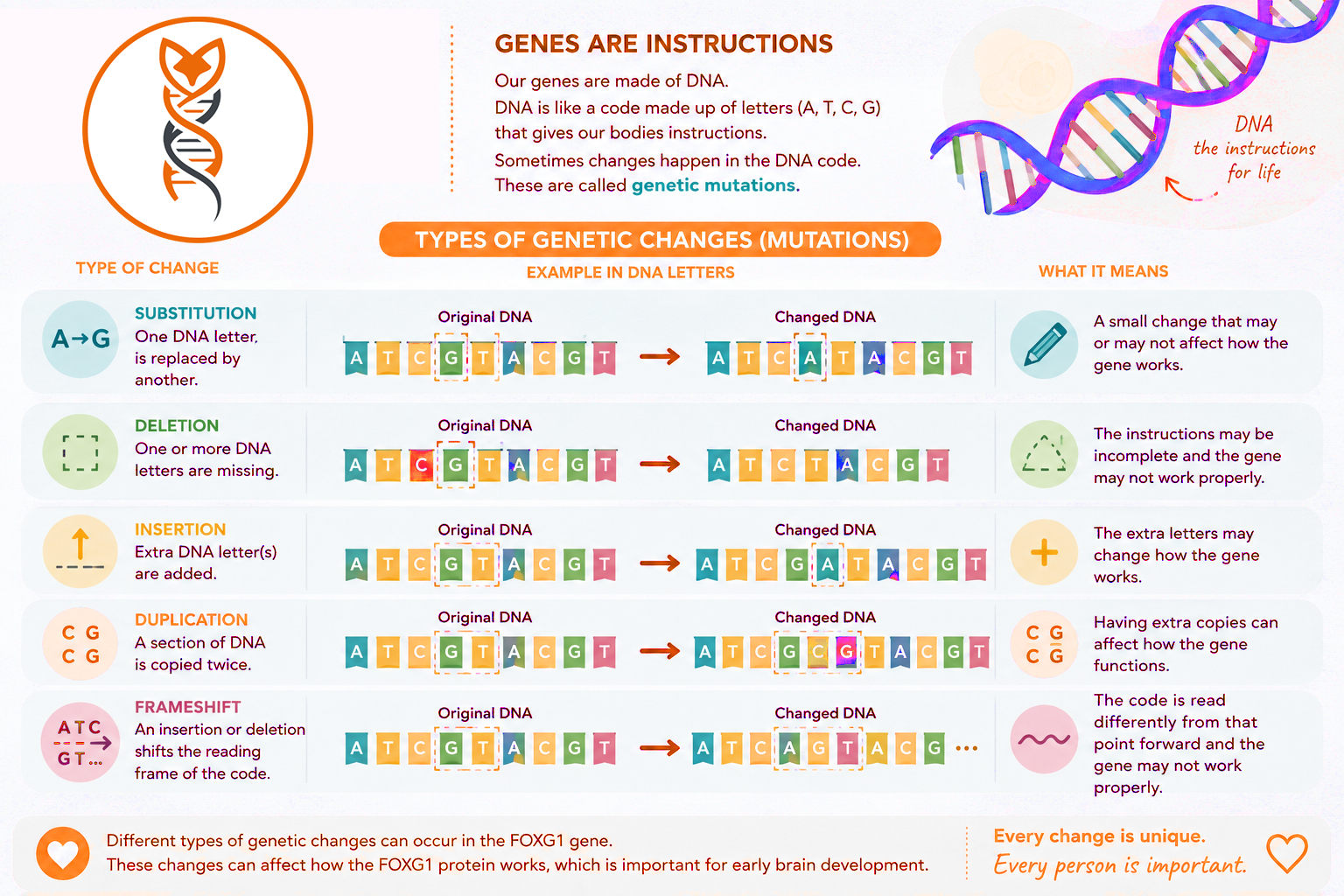
Scientists are still learning why specific genetic changes occur. In most cases, they happen by chance when DNA is copied during the formation of eggs or sperm, or during the earliest stages of development. There are several different types of genetic changes, often called mutations. Each type alters the DNA code in a different way and can affect how a gene functions.
The infographic below illustrates some of the most common types of mutations and shows how these changes can affect a gene such as FOXG1.