About FOXG1 Syndrome
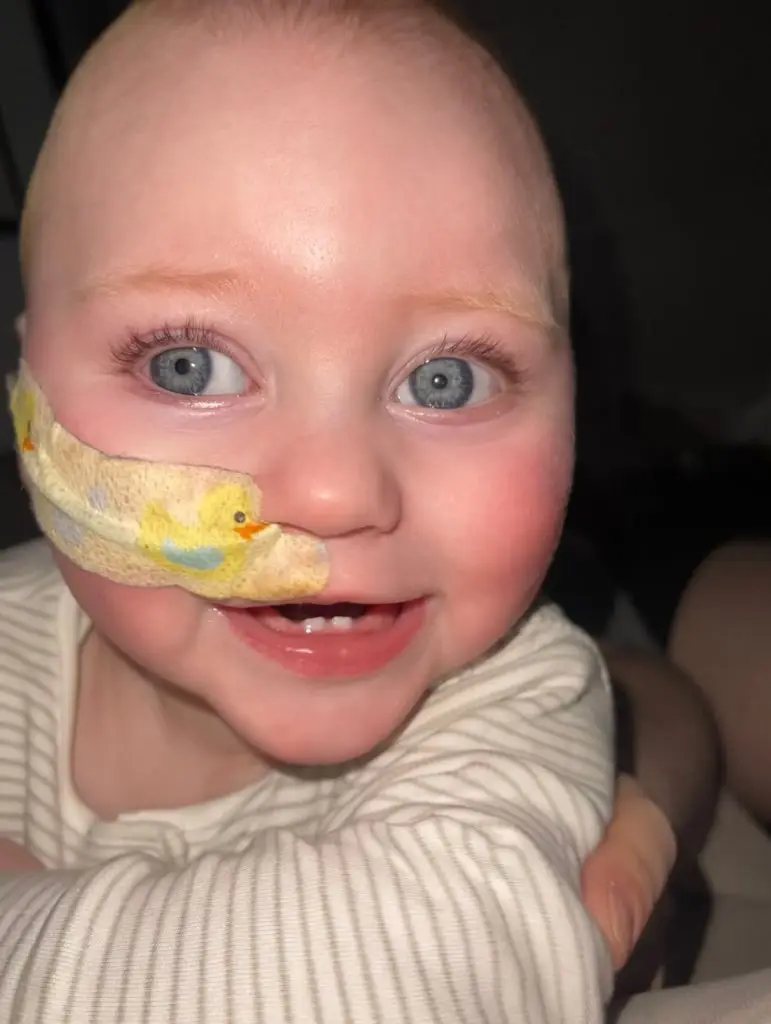
FOXG1 syndrome is a rare genetic condition that affects early brain development. It is caused by changes (mutations or deletions) in the FOXG1 gene, which plays an important role in how the brain grows and functions.
Most cases of FOXG1 syndrome happen by chance and are not inherited from a parent. Early diagnosis is important because it allows families to access therapies, medical care, and support services as early as possible.
Researchers around the world are actively working to better understand FOXG1 syndrome and to develop new treatments for the future. Families are not alone, and ongoing research continues to bring hope.

Every child living with
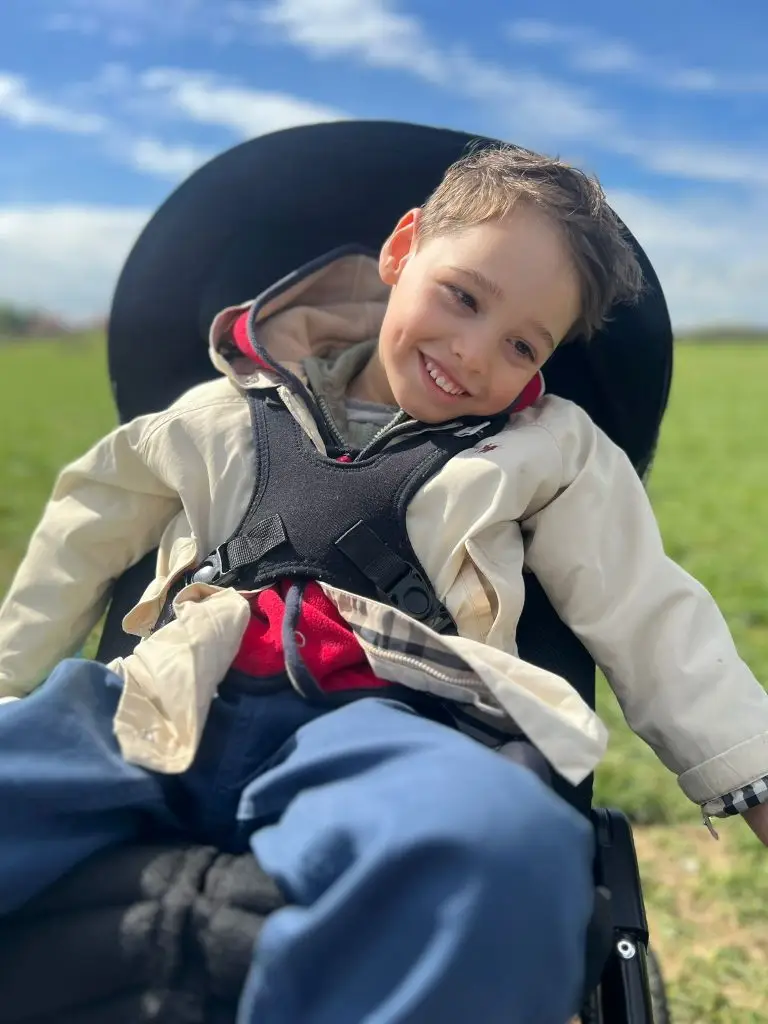
FOXG1 Syndrome is unique
Children are born with FOXG1 Syndrome but it may not be immediately obvious and they begin to show signs in infancy.
Symptoms may include developmental delays, seizures, movement difficulties, feeding or sleep challenges, irritability, and a smaller-than-average head size (called microcephaly). Every child is unique, and symptoms can vary in severity.
There is currently no cure for FOXG1 syndrome, but many treatments can help support a child’s development and quality of life. These may include physical, occupational, and speech therapies, along with medications to help manage seizures and other symptoms.
Every child living with
FOXG1 Syndrome is rare
Genetic Varition
Rare
diagnosed worldwide
6 – 22 cases
per million births
What FOXG1 Syndrome Can Look Like for Our Children
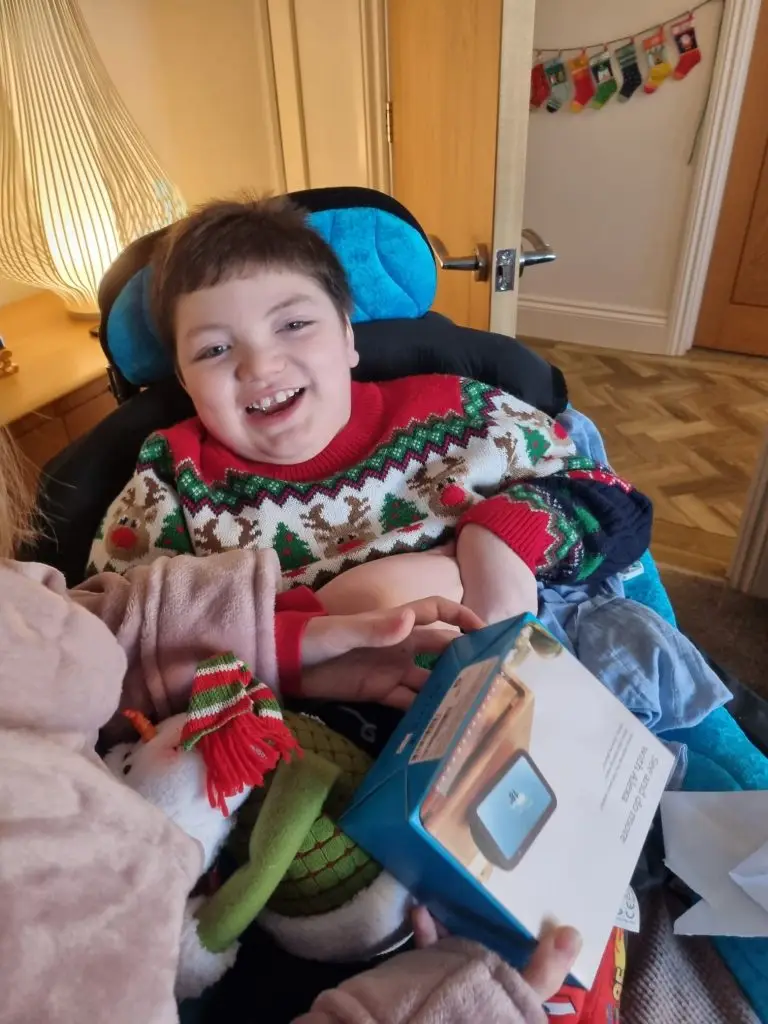
FOXG1 syndrome mainly affects brain development, so its symptoms are neurological and begin very early in life. The severity can vary, but there’s a fairly consistent pattern. It is important to note that there is a very wide spectrum of ability among the FOXG1 community but all of them have significant levels of difficulty. The symptoms experienced by individuals is partly dependent on the particular genetic mutation a person has.
If your child is newly diagnosed, the list of symptoms can be very over whelming so it is important to discuss with your medical team who may be able to guide you as how much your child’s particular genetic mutation may impact their development. As awareness of the syndrome grows it is possible that more children with milder symptoms will be diagnosed.
Our Values
“We lead with empathy, understanding, and kindness toward every family and individual affected by FOXG1 Syndrome.”
Our Vision
“To ensure that no family affected by FOXG1 Syndrome ever feels alone, and that every child receives the support they deserve.”
Our Mission
“To drive understanding, care, and breakthroughs for FOXG1 Syndrome — improving lives today while working toward better treatments tomorrow.”